Finding ants in your house can be frustrating, especially when they keep returning after you clean the affected area. The best way to get rid of ants in the house is to identify what attracts them, locate their entry points, remove accessible food and water, and use an appropriate ant control method when necessary.
Small numbers of ants may be manageable with basic prevention, but recurring trails or ants emerging from walls can indicate a larger colony nearby. This guide explains how to get rid of ants in your home, which methods are worth considering, and when professional pest control may be necessary.
Why Are There Ants in My House?
Ants usually enter homes in search of food, water, or shelter. Even small food crumbs or moisture around a sink can attract foraging ants. Once they find a reliable resource, they may leave chemical scent trails that guide other ants to the same location.
Common reasons ants enter a house include:
- Food crumbs and spills: Sugar, grease, crumbs, and uncovered food can attract foraging ants.
- Moisture: Leaking pipes, damp cabinets, and standing water provide a water source.
- Easy entry points: Gaps around doors, windows, pipes, and foundations allow ants to enter.
- Nearby outdoor colonies: Ant nests in soil, landscaping, or areas close to the foundation can send workers indoors.
- Suitable nesting locations: Some ants establish nests in wall voids, damp wood, or other protected areas.
Understanding why ants are entering your home helps you choose the right treatment instead of repeatedly removing only the ants you can see.
How to Get Rid of Ants in the House: Step-by-Step
If you want to know how to get rid of ants in your house, start with these practical steps. The best approach combines sanitation, entry-point prevention, and targeted treatment when needed.
Step 1: Find Where the Ants Are Coming From
Observe the ants to see where they travel and where their trail begins or ends. Check common areas such as kitchen counters, pantry shelves, bathroom cabinets, window frames, and plumbing openings.
Look for gaps around pipes, cracks near baseboards, and openings around doors or windows. You may also find ants traveling between an outdoor nest and an indoor food source.
Avoid disturbing a suspected nest inside a wall or using products indiscriminately before identifying the problem. Knowing where ants travel can help you place an appropriate treatment more effectively.
Step 2: Remove Food Sources
One of the simplest ways to control ants is to remove the food that attracts them.
- Wipe counters and tables after preparing or eating food.
- Sweep or vacuum crumbs from floors and corners.
- Store pantry items in tightly sealed containers.
- Clean sticky spills, including juice and sugary drink residue.
- Keep garbage in a covered bin and empty it regularly.
- Clean pet feeding areas and avoid leaving food out unnecessarily.
These steps make your home less attractive to foraging ants. However, cleaning alone may not eliminate an established colony, so additional treatment may be necessary if ants continue to return.
Step 3: Remove Accessible Water Sources
Ants may enter a house because they need water as well as food. Check beneath sinks, around toilets, near appliances, and along plumbing connections for leaks or damp areas.
Repair leaking pipes, dry wet surfaces, and improve ventilation where moisture accumulates. If ants repeatedly appear around a damp area, investigate the source rather than treating only the visible trail.
Moisture control is particularly important when carpenter ants are suspected because some species nest in damp or damaged wood.
Step 4: Seal Ant Entry Points
Once you identify likely entry points, seal suitable gaps around window frames, doors, plumbing penetrations, and foundation openings using appropriate materials.
Repair damaged window screens and install weather stripping where needed. Outdoors, keep vegetation from directly contacting the house where practical and remove debris that provides sheltered access near the foundation.
Sealing entry points helps reduce new ant activity, but it may not remove a colony already nesting inside the building.
Step 5: Use Ant Baits When Appropriate
Ant bait can be useful when ants are actively foraging indoors. Worker ants carry the bait back to other colony members, allowing the product to reach ants that may not be visible.
For better results:
- Choose a bait labeled for the intended ant species and indoor location.
- Follow the product label for placement and application.
- Keep bait away from children, pets, food preparation surfaces, and other areas specified on the label.
- Avoid spraying insecticide directly around bait stations unless the label specifically permits it.
- Allow time for the bait to work and monitor ant activity.
Different ant species may prefer different bait formulations, so one product may not work for every infestation. If ants ignore the bait or activity continues, a different treatment approach may be necessary.
Baits do not always eliminate every colony, and results depend on the species, product, placement, and conditions.
Step 6: Monitor Ant Activity
After cleaning, sealing entry points, and using an appropriate treatment, check the affected areas regularly.
Record whether ant trails are becoming less frequent and whether ants are appearing in new rooms. If activity continues or returns, reconsider the likely entry point, food or moisture source, and ant species.
Repeatedly treating visible ants without addressing the source can leave the underlying problem unresolved.
What Is the Best Way to Get Rid of Ants in the House?
The best ant control method depends on the cause and size of the infestation.
| Method | When it may help | Important limitation |
|---|---|---|
| Cleaning and sanitation | Ants attracted to crumbs, spills, or exposed food | Does not necessarily eliminate a colony |
| Sealing entry points | Ants entering through accessible gaps | Does not remove a nest already inside |
| Ant bait | Foraging ants that accept the bait | Results depend on species and correct placement |
| Moisture correction | Ant activity associated with leaks or damp areas | May need additional colony treatment |
| Professional pest control | Persistent activity, inaccessible nests, or suspected structural pests | Treatment depends on inspection and species identification |
For many household infestations, combining sanitation, exclusion, and a suitable bait is more useful than relying on one method alone.
How to Get Rid of Ants in the Kitchen
The kitchen is a common place to find ants because it provides food, water, and multiple entry points.
To control ants in the kitchen:
- Clean counters, floors, cabinet edges, and areas beneath appliances.
- Store sugar, cereal, snacks, and other food in sealed containers.
- Wipe food residue from cupboards and pantry shelves.
- Check beneath the sink and around dishwasher connections for moisture.
- Follow ant trails to identify likely entry points.
- Use an appropriate labeled bait if needed, keeping it away from food and food-contact surfaces.
Avoid placing pesticides directly on countertops or other food preparation surfaces unless the product label specifically allows that use.
If ants continue appearing around the same cabinet, wall opening, or plumbing area, the source may be hidden and may require professional assessment.
How to Get Rid of Different Types of Ants
Identifying the type of ant in your home can help determine the most appropriate control method. Not every ant infestation responds to the same treatment.
Sugar Ants and Odorous House Ants
The term “sugar ants” is often used for several small ants attracted to sweet foods. Odorous house ants are one species commonly encountered indoors and may produce a noticeable odor when crushed.
Remove food sources, follow trails to locate entry points, and consider an appropriate bait labeled for the species. Some colonies may split or establish multiple nesting sites, making persistent infestations harder to control.
Carpenter Ants
Carpenter ants excavate wood to create nesting galleries. They do not eat wood in the same way termites do, but their nesting activity can damage wooden structures over time.
Warning signs may include large black or dark-colored ants, coarse wood shavings near a wall or wooden structure, and recurring activity around damp or damaged wood.
If you suspect carpenter ants, investigate moisture problems and arrange a professional inspection. Spraying the visible ants may not address the nest hidden within the structure.
Pavement Ants
Pavement ants commonly nest in soil or beneath hard surfaces and may enter buildings through small gaps. They can forage indoors for food, especially when outdoor resources are available near the foundation.
Remove accessible food, seal entry points, and address outdoor nesting activity with an appropriate treatment if necessary.
Fire Ants
Fire ants are primarily an outdoor concern, particularly around soil mounds and landscaped areas. They can sting when disturbed.
Avoid handling or disturbing suspected fire ant mounds. If they are entering the home or posing a risk around entrances, use a suitable labeled treatment or seek professional assistance.
Do Natural Remedies Get Rid of Ants?
Home remedies such as vinegar, citrus, cinnamon, peppermint oil, and coffee grounds are often suggested for ant control. Some may temporarily interfere with ant trails or discourage activity in a particular spot, but their effectiveness varies.
These methods should not be relied on to eliminate an established colony. Similarly, baking soda and sugar mixtures, salt, and other homemade treatments do not provide a dependable solution for every ant species.
If you use a cleaning product, keep it away from food and follow its safety instructions. Never mix household chemicals, particularly bleach with vinegar or other incompatible products.
For recurring ant activity, focus on identifying the species, removing food and water sources, sealing entry points, and selecting an appropriate labeled bait or professional treatment.
How to Get Rid of Ants Permanently
No method can guarantee that ants will never return. However, you can reduce the likelihood of recurring infestations by addressing the conditions that attract them.
Maintain a Clean Environment
Clean food preparation areas regularly, store food securely, and remove rubbish before it accumulates. Pay particular attention to hidden crumbs beneath appliances and along cabinet edges.
Eliminate Moisture Problems
Repair plumbing leaks, address damp wood, and prevent water from collecting around the home’s foundation. Moisture control is especially important when carpenter ants may be involved.
Block Common Entry Points
Seal suitable gaps around doors, windows, pipes, and foundation openings. Inspect these areas periodically, especially after repairs or seasonal changes.
Monitor Indoor and Outdoor Activity
Check areas where ants have appeared previously and look for trails or possible nests near the house. If activity returns despite preventive measures, the colony may not have been eliminated.
The most reliable long-term strategy combines prevention with treatment that targets the actual source of the infestation.
DIY Ant Control vs. Professional Pest Control
Small, occasional ant problems may respond to cleaning, sealing entry points, and using an appropriate bait. However, some infestations require more detailed investigation.
When DIY Ant Control May Be Enough
A homeowner may be able to manage a minor problem when:
- Only a small number of ants appear in one area.
- The food source and entry point are easy to identify.
- Ant activity decreases after sanitation and exclusion.
- There are no signs of structural damage or an inaccessible nest.
Continue monitoring the area to confirm that the problem is improving rather than simply disappearing temporarily.
When Should You Call a Pest Control Professional?
Consider professional pest control when:
- Ants keep returning after repeated treatment.
- Trails appear in several rooms.
- Ants emerge from wall voids or other inaccessible spaces.
- You suspect carpenter ants or possible wood damage.
- The infestation persists despite appropriate baiting and sanitation.
- You cannot identify the species or locate the source.
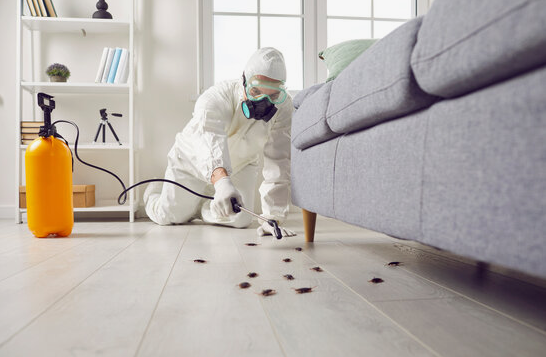
A pest control professional can assess the ant species, likely nesting locations, and conditions contributing to the infestation. The recommended treatment may include targeted baiting, nest treatment, exclusion recommendations, and follow-up monitoring.
Discovery Pest Control can be contacted to discuss a persistent ant problem and determine the appropriate next steps for your home.
How to Prevent Ants From Returning
Once ant activity decreases, preventive habits can help reduce the risk of another infestation.
- Store food in sealed containers.
- Clean crumbs and spills promptly.
- Keep rubbish covered and remove it regularly.
- Repair leaking pipes and reduce excess moisture.
- Seal gaps around doors, windows, and pipes.
- Keep outdoor vegetation and debris from creating easy access to the home.
- Inspect areas where ants have previously entered.
- Seek professional help if ant trails repeatedly return.
Prevention is most effective when combined with appropriate treatment for any colony that remains active.
Frequently Asked Questions
How do I get rid of ants in my house quickly?
Start by removing accessible food and water, cleaning ant trails, and identifying entry points. A suitable ant bait may help control the colony, but results are not always immediate. Persistent activity may require a different treatment or professional assessment.
What is the best way to get rid of ants in the house?
The best approach usually combines sanitation, sealing entry points, moisture control, and an appropriate ant bait when necessary. The ideal treatment depends on the ant species and whether the colony is indoors or outdoors.
Why do ants keep coming back after I clean?
Cleaning removes food residue and may disrupt visible trails, but it does not necessarily eliminate the colony. Ants may return if the nest remains active or another entry point provides access to food and water.
How do I get rid of an ant infestation in my house?
Identify where ants are traveling, remove food and water sources, seal accessible entry points, and use a suitable labeled treatment. If ants persist, spread to multiple rooms, or appear to nest inside walls, consider professional pest control.
Do ant baits work better than sprays?
Ant baits can help target foraging ants and reach other colony members. Sprays may kill visible ants but do not necessarily eliminate the nest. The best option depends on the species, product instructions, and location of the infestation.
Can ants damage my house?
Some ants are primarily a nuisance, while carpenter ants can excavate wood to establish nests. If you notice wood shavings, recurring large ants, or activity around damp wooden structures, arrange an inspection to identify the cause.
When should I call a pest control professional for ants?
Seek professional help when ants keep returning, the nest is inaccessible, several rooms are affected, or carpenter ants are suspected. An inspection can help identify the species and determine whether targeted treatment is needed.
Conclusion
Learning how to get rid of ants in the house starts with understanding why they are entering and where they are nesting. Cleaning, removing moisture, sealing entry points, and using appropriate ant bait can help manage many household infestations.
If ants continue returning or you suspect a nest inside the walls or wooden structures, treating only the visible ants may not solve the problem. A professional inspection can help identify the source and determine the right treatment.
Contact Discovery Pest Control to discuss recurring ant activity and explore appropriate pest control options for your home.