
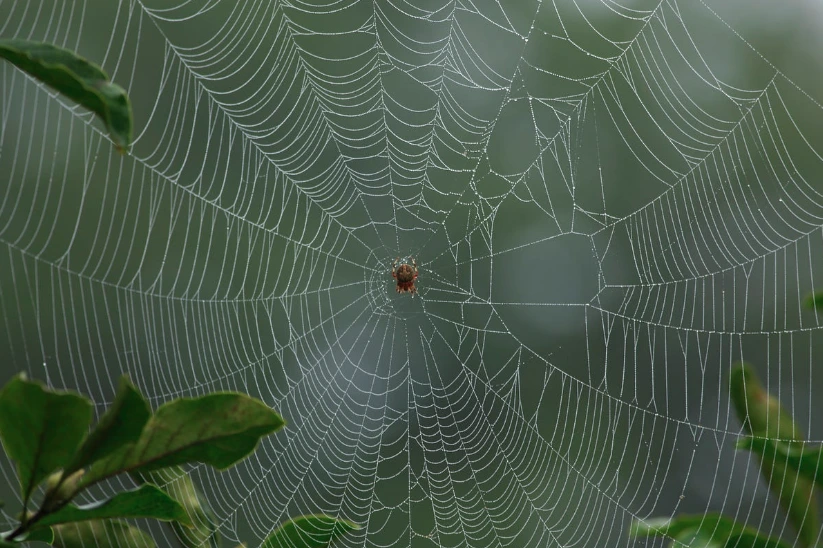
If you regularly find spider webs around your windows, doors, porches, or other entry points, you may wonder why spiders seem to prefer these areas. Seeing a few webs does not always mean you have a serious spider infestation, but repeated web activity can indicate that your property provides good conditions for spiders to feed and live.
Windows and doors are attractive locations for spiders for several reasons. These areas often have light, warmth, shelter, and—most importantly—a steady supply of insects.
Understanding why spiders build webs around entry points can help you reduce spider activity and determine when professional pest control may be useful.
Why Do Spiders Build Webs Near Windows and Doors?
Spiders do not choose locations for their webs randomly. They look for places where their webs are likely to catch prey and where the web will be protected from heavy disturbance.
Windows and doors often provide several of these conditions at once.
1. Insects Gather Around Light
One of the biggest reasons spiders build webs near windows and doors is the presence of insects.
Many flying insects are attracted to outdoor lights, indoor light that shines through windows, or other sources of illumination around a home. Once insects gather in these areas, spiders have a convenient source of food.
A spider does not need to travel far when its web is positioned close to an area where insects regularly pass.
This is why you may notice more webs around:
- Porch lights
- Exterior doors
- Window frames
- Patio doors
- Garage doors
- Outdoor lighting fixtures
If insects frequently gather around your home’s entry points, spiders may follow.
2. Windows and Doors Provide Good Web-Building Locations
Spider webs need a suitable structure for support. Window frames, door frames, eaves, railings, and corners can give spiders the surfaces they need to anchor their webs.
These areas may also provide some protection from wind and rain.
A spider may choose a sheltered corner around a window or door because the web can remain in place longer than it would in a completely exposed location.
3. Small Gaps Can Provide Shelter
The areas around windows and doors can contain small cracks, gaps, and other sheltered spaces where spiders can hide during the day.
Spiders may build their webs nearby and retreat into protected areas when they are not actively feeding.
These openings can also allow other insects to enter the home. If insects are getting inside through gaps around doors or windows, spiders may have another reason to stay nearby.
4. Spiders Follow Their Food Supply
A large number of spider webs around one part of your home can sometimes tell you something about insect activity.
Spiders eat insects such as flies, moths, mosquitoes, and other small bugs. If these insects are regularly present around your windows or doors, spiders may build webs nearby because the location offers good hunting opportunities.
In other words, the spider problem may sometimes be connected to a larger insect problem.
Reducing the conditions that attract insects can therefore help reduce spider activity as well.
5. Outdoor Entry Points Offer Shelter
Spiders commonly build webs in areas that are protected from direct weather exposure.
The space beneath an overhang, porch roof, window ledge, or door frame can provide shelter while still allowing access to insects.
This is particularly noticeable around covered patios, garages, porches, and exterior lighting.
Are Spider Webs Around Windows and Doors a Sign of an Infestation?
Not necessarily.
Finding an occasional web around a window or door is normal and does not automatically mean that your home has a major spider infestation.
However, repeated or increasing web activity may deserve more attention.
Look for other signs, such as:
- Large numbers of spiders around the property
- New webs appearing shortly after old ones are removed
- Spiders appearing indoors regularly
- Egg sacs near windows, doors, garages, or storage areas
- Increased insect activity around entry points
- Webs appearing in several areas of the property
If you continue seeing spiders despite cleaning and basic prevention, a professional inspection can help identify where they are coming from and what may be attracting them.
Why Do Spider Webs Keep Coming Back After You Remove Them?
One of the most frustrating things about spider webs is how quickly they can return.
Removing the web does not necessarily remove the conditions that attracted the spider in the first place.
If insects continue gathering around a porch light, for example, another spider may eventually build a new web in the same location.
Likewise, if spiders have sheltered areas around your windows, doors, siding, or eaves, simply removing visible webs may only provide a temporary solution.
For better long-term control, it is important to address the conditions that encourage spider activity.
How Can You Reduce Spider Webs Around Windows and Doors?
There are several practical steps homeowners can take to make their property less attractive to spiders.
Keep Outdoor Areas Clean
Remove leaves, debris, excessive vegetation, and other materials that create sheltered areas close to the house.
Keeping the area around doors and windows reasonably clear can reduce places where spiders can hide.
Check Window and Door Seals
Inspect screens, weatherstripping, and seals around windows and doors. Repair damaged screens and address noticeable gaps that could allow insects or spiders to enter.
Reduce Insect Attraction
Because spiders often follow their food supply, reducing insect activity around your home can help.
Keep outdoor garbage containers closed, clean up food or drink spills, and consider how exterior lighting may be attracting insects.
Remove Webs Regularly
Removing visible webs can help keep entry points cleaner and may discourage spiders from continuing to use heavily disturbed areas.
However, web removal alone may not solve an ongoing spider problem if the underlying conditions remain.
Keep Vegetation From Touching the House
Trees, shrubs, vines, and other vegetation that directly touches the home can provide pathways and shelter for insects and spiders.
Keeping plants properly trimmed can help create more separation between landscaping and the structure.
Should You Turn Off Outdoor Lights to Prevent Spiders?
Reducing unnecessary outdoor lighting may help reduce the number of insects gathering around your home, which can indirectly reduce spider activity.
You do not necessarily need to keep your property completely dark. Instead, consider turning off lights that are not needed or using lighting options and placements that attract fewer insects.
The goal is to reduce the concentration of flying insects around doors and windows without compromising necessary outdoor lighting.
When Should You Call a Pest Control Professional?
Occasional spiders are a normal part of the outdoor environment. However, professional pest control may be worth considering when spider activity becomes frequent, widespread, or difficult to manage.
You may want to schedule an inspection if:
- Spider webs return quickly after cleaning
- You regularly find spiders inside your home
- You see many spiders around doors, windows, or other entry points
- You find spider egg sacs
- Spider activity is increasing
- You are concerned about potentially dangerous spider species
A professional can inspect areas where spiders may be hiding and identify conditions that may be contributing to the problem.
How Professional Spider Control Can Help
Effective spider control is not simply about removing the spiders and webs that you can see.
A professional pest control service can inspect the property for areas that support spider activity, identify potential entry points, look for insect activity, and treat problem areas as appropriate.
Discovery Pest Management provides spider control services that include inspections, treatment, removal, and preventative measures. The company also focuses on identifying potential nesting areas and addressing conditions that can contribute to future spider activity.
For homeowners dealing with recurring spider activity, a preventative approach can be more useful than repeatedly removing webs without addressing the conditions around the property.
Frequently Asked Questions
Why do spiders build webs around windows?
Spiders often build webs around windows because insects gather there and the window frame provides a convenient structure for attaching the web. Outdoor lighting and sheltered areas can make windows especially attractive locations.
Why are spider webs common around doors?
Doors can attract insects because of outdoor lighting and activity around entry points. Door frames, porch ceilings, and nearby corners also provide protected locations where spiders can build webs.
Does having spider webs mean I have an infestation?
Not always. A few webs are common around homes. However, large numbers of webs, frequent spider sightings, or rapidly returning webs may indicate that conditions are supporting increased spider activity.
How can I stop spiders from building webs around my windows?
Regularly remove webs, reduce insect activity around outdoor lights, keep vegetation away from the structure, and inspect windows and screens for gaps. If the problem continues, professional pest control can help identify the cause.
Why do spider webs keep coming back?
Webs may return because spiders are still present or because insects continue to provide a food source. Removing webs without addressing the conditions around the property may only provide temporary results.
Final Thoughts
Spiders often build webs around windows and doors because these areas provide a combination of shelter, support, and access to insects. While an occasional web is usually nothing to worry about, repeated spider activity can indicate that your property offers favorable conditions for spiders.
Keeping entry points clean, reducing insect activity, maintaining screens and seals, and limiting sheltered areas around the home can help reduce spider activity. If webs and spiders continue to appear throughout your property, a professional inspection can help identify the source of the problem.
Discovery Pest Management provides spider control and preventative pest services for homeowners who need help managing recurring spider activity.