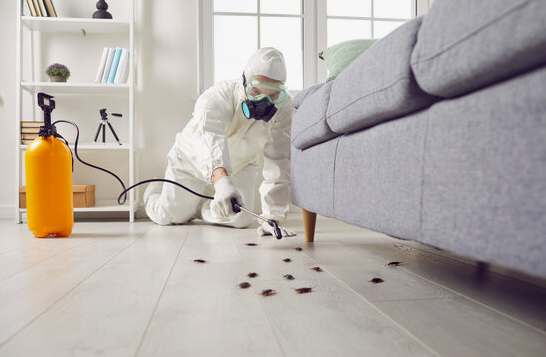
Ants are one of the most common household pests, and once they enter your home, they can multiply quickly. A few ants searching for food can turn into a full infestation if not treated properly. The key to eliminating ants is not just killing the visible ones — it’s removing the colony and preventing them from returning.
This complete guide explains everything you need to know about how to get rid of ants permanently.
What Types of Ants Are Found Inside Homes?
Different ant species require different treatment methods. The most common household ants include:
- Carpenter ants – Can damage wood structures
- Sugar ants (odorous house ants) – Attracted to sweets
- Pavement ants – Often enter through foundations
- Fire ants – Aggressive outdoor species
- Argentine ants – Form large colonies
Identifying the type of ant helps determine the best treatment approach.
Where Do Ants Come From?
Ants usually enter homes from:
- Cracks in walls and foundations
- Gaps around windows and doors
- Plumbing and moisture areas
- Electrical outlets
- Outdoor nests near the home
They leave scent trails for other ants to follow, which is why infestations grow quickly.
What Are the Signs of an Ant Infestation?
You may have a larger problem if you notice:
- Continuous ant trails
- Ants in the kitchen or pantry
- Small dirt piles near walls
- Ants coming from wall cracks
- Increased activity after rain
- Wood damage (possible carpenter ants)
Early detection prevents costly damage.
How to Get Rid of Ants (Step-by-Step Plan)
Step 1: Remove Food Sources
- Clean counters daily
- Store food in airtight containers
- Wipe spills immediately
- Keep pet food sealed
- Take out trash regularly
Without food, ants cannot survive inside your home.
Step 2: Find and Seal Entry Points
- Seal cracks in walls and floors
- Repair window gaps
- Install door weather stripping
- Fix damaged screens
Blocking access prevents new ants from entering.
Step 3: Use Ant Baits (Most Effective Method)
Ant baits work better than sprays because:
- Worker ants carry poison back to the colony
- It eliminates the queen
- It destroys the entire nest
Place bait near trails and avoid disturbing it.
Store-Bought Remedies for Ant Control
Ant Traps
Pre-filled traps attract ants and eliminate the colony gradually.
Gel Ant Baits
Highly effective for indoor infestations.
Borax Solutions
Common DIY method mixed with sugar.
Commercial Ant Sprays
Best for temporary control of visible ants.
Natural Methods for Repelling Ants
These methods help prevent ants but may not eliminate large infestations:
- Distilled white vinegar
- Citrus juice or peels
- Peppermint oil
- Cinnamon
- Salt
- Cayenne or black pepper
- Coffee grounds
- Baking soda + powdered sugar
- Diatomaceous earth
Natural solutions work best for small problems.
How to Get Rid of Ants Permanently
To stop ants long-term:
- Target the colony, not just workers
- Use proper bait systems
- Eliminate moisture problems
- Maintain regular cleaning
- Seal all entry points
- Schedule routine inspections
Permanent control requires consistency.
DIY vs Professional Ant Control
DIY Works When:
- Infestation is small
- Ants are limited to one area
- Entry points are visible
Call a Professional When:
- Ants keep returning
- You suspect carpenter ants
- Colony is inside walls
- Infestation spreads across rooms
- Treatments are not working
Professional pest control provides targeted treatments that eliminate entire colonies safely and effectively.
How to Prevent Future Ant Infestations
- Keep kitchen clean
- Store food properly
- Seal cracks annually
- Fix water leaks quickly
- Trim outdoor vegetation
- Schedule preventive pest inspections
Prevention is the best long-term strategy.
Final Thoughts
Getting rid of ants requires more than surface-level treatment. The most effective strategy includes cleaning, sealing entry points, using proper bait, and preventing future access. For persistent or large infestations, professional pest control services provide the most reliable and permanent solution.
With the right approach, you can keep your home ant-free year-round.