Running a business comes with a lot of responsibilities. One important but often overlooked responsibility is keeping your commercial space free from pests. Insects like ants, cockroaches, termites, and flies can quickly become a problem if left untreated. Not only do they pose health risks, but they can also damage your property and affect your business reputation. That’s why professional insect treatments for commercial spaces are essential for maintaining a safe, clean, and welcoming environment.
In this blog, we’ll explore how commercial insect treatments work, why they are important, and practical tips for keeping your business pest-free.
Why Commercial Insect Treatments Are Important
Keeping pests out of your business is not just about cleanliness. Insects can cause serious issues, including:
- Health risks: Many insects carry bacteria, viruses, or parasites that can affect the health of employees, customers, or clients. For example, cockroaches are known to spread foodborne illnesses.
- Damage to property: Termites and other wood-boring insects can damage furniture, doors, and building structures.
- Legal and compliance issues: Restaurants, offices, and commercial kitchens must comply with health and safety regulations. Failing to manage insect infestations can lead to fines, shutdowns, or loss of license.
- Reputation damage: Customers notice pests. Even a single sighting of an insect can damage your brand’s image.
For all these reasons, investing in commercial insect treatments is a smart decision for any business.
Common Insects Found in Commercial Spaces
Different types of businesses face different insect problems. Some of the most common pests in commercial spaces include:
Ants
Ants are small but persistent. They are attracted to food crumbs, sugary drinks, and even paper. In commercial kitchens, offices, and retail spaces, ants can spread bacteria and contaminate surfaces.
Cockroaches
Cockroaches are more than a nuisance—they carry germs and can trigger allergies. They thrive in damp areas like kitchens, bathrooms, and basements. Even a small infestation can grow quickly if untreated.
Termites
Termites can silently destroy wooden structures, furniture, and flooring. They often go unnoticed until significant damage has occurred, making early detection and treatment essential.
Flies
Flies are common in restaurants, cafeterias, and grocery stores. They carry diseases and can ruin food products, making proper fly control crucial in food-related businesses.
Spiders
While many spiders are harmless, some commercial spaces may face venomous species. Spiders also create webs, which can make your property look unkempt and unhygienic.
Bed Bugs
In hotels, motels, and office spaces with resting areas, bed bugs can be a major problem. They bite humans, leaving itchy marks and causing stress among employees or guests.
Types of Insect Treatments for Commercial Spaces
Effective insect control in commercial spaces requires the right combination of treatments. Depending on the type of pests, businesses may need different strategies.
Preventive Treatments
Preventive treatments focus on stopping infestations before they start. This includes:
- Sealing cracks and entry points
- Keeping garbage and food storage areas clean
- Installing screens on windows and vents
Regular preventive treatments reduce the risk of major infestations and minimize the need for chemical interventions.
Chemical Treatments
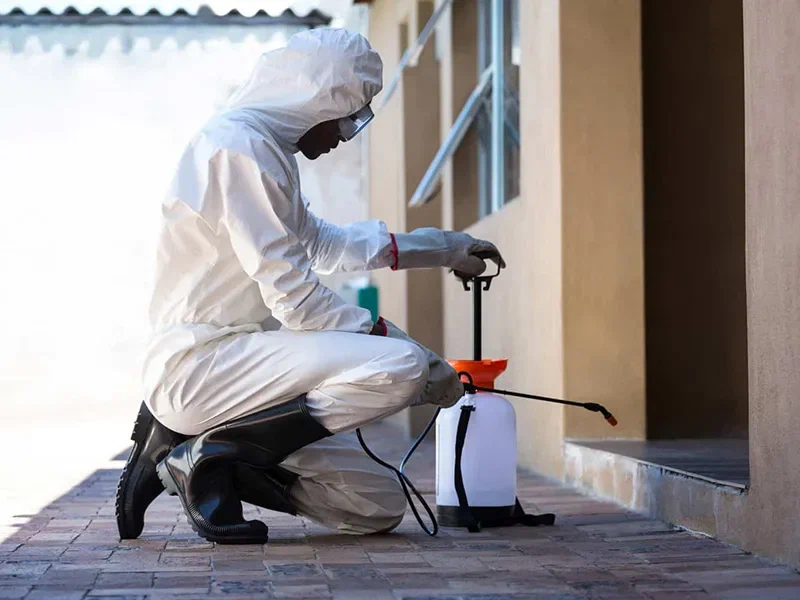
Chemical treatments are applied directly to areas where pests live or enter. Professional pest control services use commercial-grade insecticides that are effective yet safe for humans when applied properly. These treatments are commonly used for:
- Cockroaches and ants
- Termite barriers
- Flies in food preparation areas
Baiting Systems
Baiting systems are particularly effective for ants and cockroaches. Baits attract insects, which then carry the poison back to their nests, eliminating entire colonies.
Traps and Monitoring
Traps help catch insects and monitor infestation levels. Businesses can use sticky traps for flies and cockroaches or pheromone traps for monitoring insect activity. Monitoring allows pest control experts to adjust treatment plans effectively.
Eco-Friendly Treatments
Many businesses now prefer eco-friendly insect treatments. These include natural repellents, non-toxic sprays, and integrated pest management (IPM) strategies. Eco-friendly solutions are safe for employees, customers, and the environment while still being effective.
Areas of Focus in Commercial Insect Treatments
Certain areas in commercial spaces are more prone to insect problems. Pest control experts pay special attention to these high-risk zones:
Kitchens and Food Storage Areas
Kitchens, pantries, and food storage areas attract ants, cockroaches, and flies. Keeping these areas clean and regularly treated is essential for food safety.
Bathrooms and Restrooms
Bathrooms are damp and warm, which makes them ideal for cockroaches, silverfish, and other insects. Professional treatments target hidden cracks and plumbing areas.
Basements and Storage Rooms
These areas often remain dark and unused, making them a perfect hiding place for pests. Termites, spiders, and rodents can thrive if preventive measures are not taken.
Offices and Common Areas
Even in office spaces, ants, flies, and spiders can cause problems. Regular inspections and treatments help maintain a clean, professional environment.
Benefits of Hiring Professional Insect Control Services
While DIY treatments can help temporarily, professional insect control services offer several advantages for commercial spaces:
- Expertise: Pest control professionals know the biology and behavior of insects and can identify problem areas that are often missed by untrained eyes.
- Safe and effective treatments: Commercial insecticides require careful handling. Professionals ensure safe application that meets all regulatory standards.
- Long-term solutions: Professionals provide preventive and ongoing treatments to reduce future infestations.
- Customized plans: Each commercial space is unique. Pest control companies tailor treatments based on the building layout, type of business, and level of infestation.
Tips for Maintaining a Pest-Free Commercial Space
Keeping your business insect-free requires consistent effort. Here are some practical tips:
Maintain Cleanliness
Regularly clean floors, counters, and food prep areas. Avoid leaving crumbs, garbage, or open food containers.
Seal Entry Points
Inspect doors, windows, and vents. Seal cracks, gaps, or openings where insects can enter.
Store Food Properly
Keep food in airtight containers and maintain proper refrigeration. Rotting food attracts pests quickly.
Schedule Regular Inspections
Even if you don’t see pests, schedule regular inspections with a professional pest control company to catch problems early.
Educate Employees
Train your staff to spot signs of infestation and maintain cleanliness. Employees can be the first line of defense against pests.
Conclusion
Insects in commercial spaces are more than a nuisance—they can harm your business, employees, and customers. Professional insect treatments are essential to keep your property safe, clean, and welcoming.
By combining preventive measures, professional treatments, and ongoing monitoring, businesses in offices, restaurants, retail stores, and industrial spaces can maintain pest-free environments. With expert guidance and consistent effort, you can protect your investment, enhance property value, and build a strong reputation with a clean, safe commercial space.
Remember, early action is always better than waiting for an infestation to get out of control. Don’t wait until pests become a problem—schedule professional insect treatments today and keep your commercial space pest-free.
FAQs
1. Why are insect treatments important for commercial spaces?
Insects can spread disease, damage property, and harm your business reputation. Professional insect treatments help maintain a clean, safe, and healthy environment for employees, clients, and customers.
2. What types of insect treatments are available for businesses?
Commercial spaces can use preventive treatments, chemical sprays, baiting systems, traps, monitoring programs, and eco-friendly solutions depending on the type of pests and severity of infestation.
3. How often should I schedule commercial insect treatments?
The frequency depends on your business type and risk level. Restaurants or food storage facilities may need monthly or quarterly treatments, while offices and retail spaces may require semi-annual or annual inspections.
4. Can professional insect treatments be safe for employees and customers?
Yes. Pest control experts use industry-approved treatments and follow safety protocols. Eco-friendly and low-toxicity options are also available for businesses prioritizing health and sustainability.
5. What areas of my commercial space are most prone to pests?
High-risk areas include kitchens, food storage rooms, bathrooms, basements, storage rooms, and entry points like doors, windows, and vents. Regular inspection and treatment of these areas prevent infestations.