The infestation of the insects transforms a lovely house into a burden and a source of stress. Most homeowners pay more attention to treating the infestations after they emerge, but it is much more efficient to avoid them in advance. The danger of undesired pests can be minimized by simple, proactive and create a healthier living environment. Small everyday practices can change a lot in ensuring your place of residence is pest-free, whether it is by closing openings or ensuring that the house is hygienic.
A Smarter Way to Avoid Pests: Insect Prevention Tips for Homeowners
Insects may interfere with household activities and destroy property. It is a much better measure to prevent them rather than to cure them. The most basic and proactive measures, such as closing access points, keeping the place clean, and keeping the place dry, can drive the pests away.
Learn how you can smartly prevent insect infestation:
- Clean and Clutter-Free House
Frequent cleaning gets rid of crumbs, spills, and food debris that are insect-attracting. Cleaning up also avoids providing shelter to pests, making them unlikely to nest. Even easier practices in wiping counters and vacuuming floors may be of great help in prevention.
- Seal Entry Points and Cracks
Look attentively at your house to check if there are any weaknesses, such as gaps, cracks, or holes, in your walls, windows, and doors. Covering these eliminates the entry of insects. Simple measures like weather-stripping doors and caulking windows are cheap measures to seal up standard access points from pests.
| Did you know? Ants can enter through cracks smaller than a coin. |
- Proper Food Storage
Keep dry goods in containers that are airtight to prevent the entry of ants, pantry beetles, and other pests. Keep perishable food refrigerated, and do not leave the pet food outside for long. A proper storage practice will reduce the likelihood of insect infestation in the houses.
| Did you know? Around 70% of household pests are attracted by food residue and poor storage. |
- Regular Trash Management
They are often and regularly emptied into empty trash cans. Food waste that is left in bins attracts flies, ants, and cockroaches. Trash liners and cleaning bins will help in decreasing odors and eliminating any possible breeding areas of pests.
- Control Moisture and Leaks
The insects are adapted to wet places. Repair broken faucets, pipes, and roofs. Make sure that your home is well-drained and that dehumidifiers are used in areas with high levels of humidity. Wet areas in the house are dried to deter insects such as silverfish, termites, and mosquitoes.
| Protip: Use silicone caulk because it lasts longer than acrylic |
- Maintain Outdoor Spaces
Clip shrubs and trees surrounding your house, trim the lawns periodically, and get rid of standing water. Stagnant water and overgrown vegetation are a breeding ground for mosquitoes, ants, and other pests. It is safer to maintain your yard clean to eliminate the risk of insects.
- Use Natural Repellents
Plants that contain basil, mint, and lavender will keep insects away around your house. Pests are also kept off by such essential oils as citronella or eucalyptus. These are chemical-free approaches that are safe both to the families and pets, as well as preventing the insects.
- Schedule Regular Professional Inspections
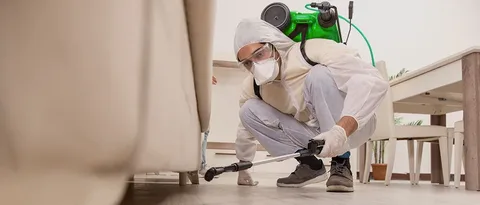
Prevention measures notwithstanding, certain pests are difficult to detect. The employment of pest control experts in order to conduct regular inspections will help in early treatment and detection. Infestation can be averted at the initial stages before it becomes a big issue through proactive inspections.
Conclusion
The process of preventing insect infestations begins with education and regular work. The proactive strategy also involves cleanliness, proper storage, moisture control, and professional inspection. Homeowners can mitigate the risk of unwanted pests massively, secure their property, and keep their living environment healthier by following these few tips. Prevention not only saves time and money but also gives peace of mind in that your home is safe and comfortable all year round.
FAQs
How often should I inspect my home for insects?
You can monthly inspect your home for insects.
Are natural repellents effective?
Yes, they are best for minor infestations and prevention.
Does the sealing of cracks prevent pests?
It reduces risk but works best with other measures.
Do indoor plants pose a threat to insects?
Overwatered plants may also be an attraction to insects such as gnats.
When should I call a professional?
At the first sign of a persistent infestation.