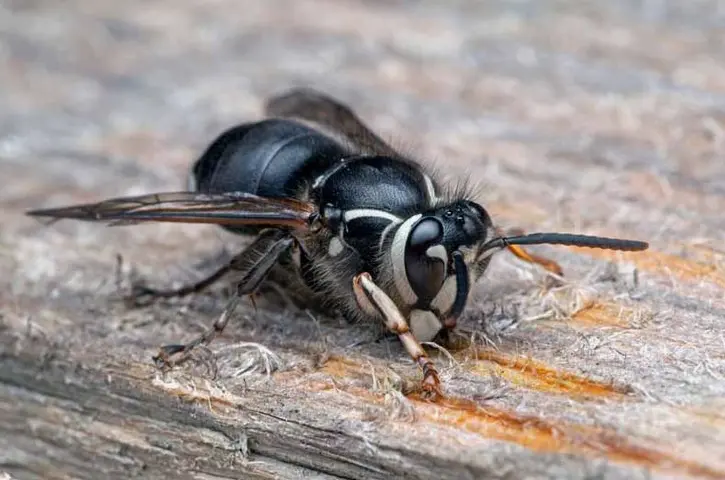
Stinging insects like wasps, bees, and hornets are a common sight during warm months, but many homeowners notice a troubling pattern—these insects seem far more aggressive in summer. Sudden attacks, increased buzzing around homes, and unexpected stings become more frequent during this season.
So, why does this happen?
The behavior of stinging insects changes in summer due to environmental conditions, food scarcity, and colony growth. Understanding these factors can help you stay safe and know when professional pest control is needed.
At Discovery Pest Management, we specialize in safe and effective removal of stinging insects, helping homeowners protect their families and properties from aggressive summer infestations.
Why Do Stinging Insects Become Aggressive in Summer?
During summer, stinging insects enter their most active and protective phase of life. Colonies are fully developed, food demand is high, and environmental stress increases their defensive behavior.
Unlike spring, when colonies are small and less reactive, summer brings fully mature populations of bees, wasps, and hornets that are more likely to defend their nests aggressively.
1. Peak Colony Growth Increases Protection Behavior
Summer is when stinging insect colonies reach their maximum size. Thousands of insects may be working together inside a single nest.
Why this matters:
- Larger colonies mean stronger defense systems
- More workers are available to respond to threats
- Even minor disturbances can trigger aggression
When a colony is at its peak, even small movements near the nest can be perceived as danger.
2. Food Scarcity Makes Them More Aggressive
As summer progresses, natural food sources begin to decline.
What happens:
- Nectar sources become limited
- Insects search aggressively for sugar and protein
- Garbage, drinks, and outdoor food attract them
This competition for food makes stinging insects more territorial and defensive around human activity.
3. Hot Weather Increases Activity Levels
Heat plays a major role in insect behavior.
Effects of high temperatures:
- Increased metabolism and movement
- Faster colony expansion
- Higher energy demand
- More frequent foraging trips
As a result, homeowners notice more insects flying around outdoor spaces, patios, and yards.
4. Nest Defense Becomes Stronger in Late Summer
As nests mature, stinging insects become highly protective of their colony.
Common triggers for aggression:
- Vibrations near nests
- Loud noises
- Sudden movement
- Lawn mowing or trimming near nests
Even accidental disturbance can cause a swarm response, especially from wasps and hornets.
5. Human Activity Increases Contact
Summer is also when people spend more time outdoors.
This leads to:
- More backyard gatherings
- Outdoor cooking and sweet drinks
- Increased trash exposure
- Poolside activity
These activities unintentionally attract stinging insects, increasing the chances of defensive encounters.
6. Late-Season Hormonal Changes in Colonies
Toward the end of summer, stinging insect colonies begin producing new queens and males.
This shift causes:
- Increased territorial behavior
- Aggressive protection of remaining food
- Instability inside the colony
This is often when wasps and hornets appear most aggressive.
Why Stinging Insect Aggression Is Dangerous
Aggressive stinging insects are not just a nuisance—they can be a serious safety risk.
Risks include:
- Multiple stings from swarm attacks
- Severe allergic reactions
- Painful swelling and infection
- Dangerous encounters near nests
Children, pets, and elderly individuals are especially vulnerable.
What You Should Do If You Notice Aggressive Stinging Insects
If you see increased activity or aggression, it is important to avoid disturbing them.
Safety steps:
- Do not attempt to remove nests yourself
- Avoid outdoor activity near suspected nests
- Keep food and drinks covered outside
- Contact a professional pest control service immediately
How Discovery Pest Management Can Help
At Discovery Pest Management, we provide safe, effective solutions for removing and controlling stinging insects in residential and commercial properties.
Our services include:
- Wasp and hornet nest removal
- Bee control and relocation options
- Preventative pest treatments
- Full property inspections
- Safe, eco-conscious pest control methods
We focus on protecting your home while ensuring long-term prevention of future infestations.
Frequently Asked Questions
Why are stinging insects more aggressive in summer?
Because colonies are larger, food is scarce, and nests are more actively defended during peak summer months.
What stinging insects are most aggressive?
Wasps and hornets are generally more aggressive than bees, especially in late summer.
Can stinging insects attack without warning?
Yes, if they feel their nest is threatened or disturbed, they may attack quickly.
How can I avoid getting stung in summer?
Avoid nests, keep food covered outdoors, and reduce attractants like sugary drinks and garbage.
When should I call pest control?
If you notice repeated insect activity or see a nest near your home, call a professional immediately.
Conclusion
Stinging insects become more aggressive in summer due to increased colony size, food competition, heat, and heightened nest defense behavior. While this is a natural cycle, it can create serious risks for homeowners.
Understanding their behavior is the first step in staying safe—but professional removal is often the best solution when nests are present.
At Discovery Pest Management, we specialize in safe and reliable control of stinging insects, helping you protect your home, family, and outdoor spaces throughout the summer season.